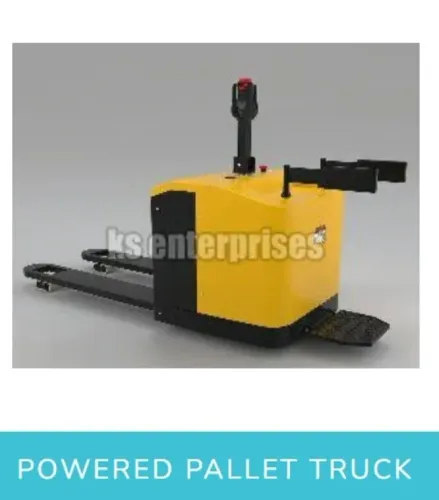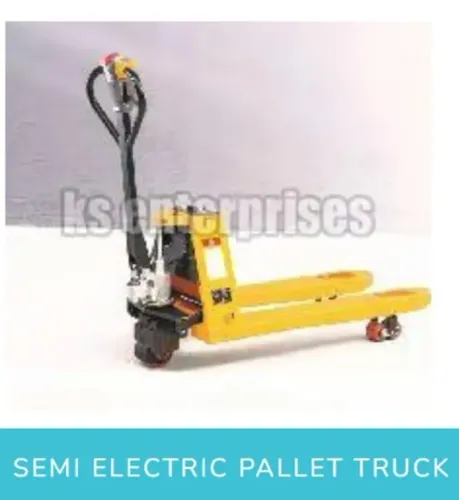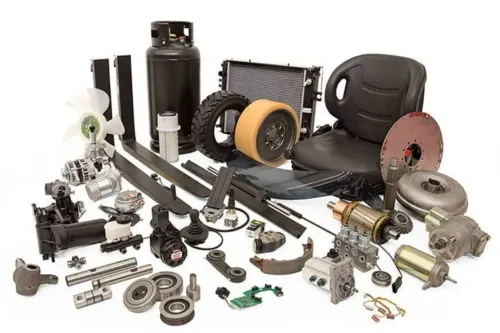

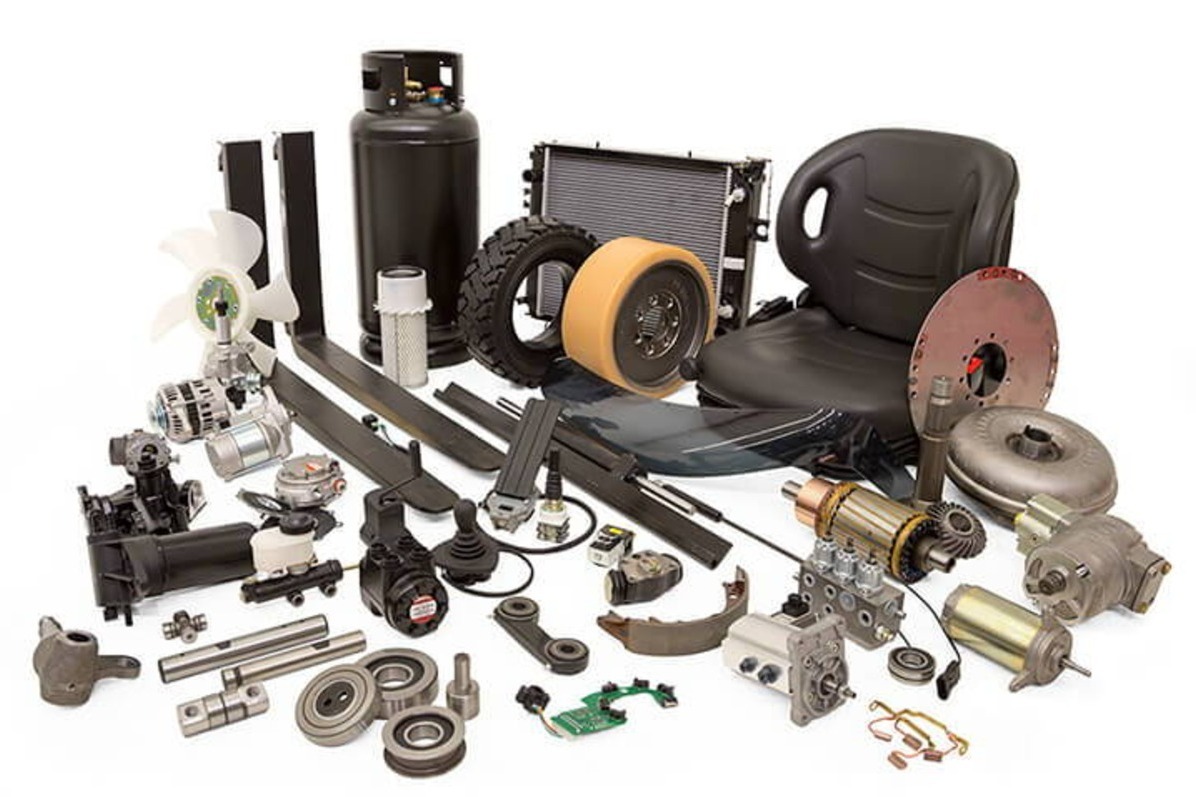
A forklift machine is designed to lift, carry, stack, position, and transfer materials, particularly palletized loads. Although forklifts are strongly associated with warehouses, their applications extend across manufacturing plants, logistics facilities, wholesale markets, engineering units, construction-related businesses, and industrial storage operations.
The basic working principle is straightforward. Forks or another compatible handling attachment engage with the load, while a mast system raises or lowers it. Different forklift designs, capacities, lift heights, tyres, power systems, and attachments allow machines to perform different jobs.
One of the most common applications is vehicle loading and unloading. Instead of moving palletized goods manually, forklifts can transfer suitable loads between trucks, staging areas, and storage locations. They are also widely used for rack stacking, where pallets need to be positioned at different vertical levels.
Manufacturing operations use forklifts differently. Raw materials may need to move from receiving areas to production lines, while finished goods need transportation to storage or dispatch. In such environments, the forklift becomes part of the overall material flow rather than simply a loading machine.
A typical industrial application may involve:
- Receiving incoming materials.
- Moving goods to temporary staging zones.
- Supplying materials to production areas.
- Stacking finished products.
- Preparing pallets for dispatch.
- Loading outgoing vehicles.
Forklift configuration should match each application. Capacity is important, but it is only one specification. Required lifting height, load dimensions, load center, aisle width, floor condition, mast type, power source, tyre type, and available turning space can all influence suitability.
Businesses in Delhi may encounter another challenge: space. Warehouses and industrial facilities frequently need to balance storage density with safe equipment movement. Choosing an unnecessarily large machine can create maneuverability problems, while choosing an undersized forklift can limit productivity and appropriate load handling.
Attachments can further extend forklift applications. Depending on the machine and material, compatible attachments may help businesses handle drums, rolls, cartons, clamps, or other specialized loads. Attachment use, however, needs to be considered in relation to the forklift's rated capacity and configuration.
K. S. Enterprises serves customers looking at forklifts and related material handling requirements in Delhi. A useful equipment discussion should begin with actual site conditions rather than a generic machine specification.
Understanding what a forklift does—and what your operation requires it to do—makes equipment selection easier. The most suitable forklift is ultimately one configured around the real load, movement pattern, storage system, and working environment.