
A five-ton diesel forklift is worth maintaining when its rated capacity, working hours and remaining service life support the cost of keeping it available. You will be able to calculate whole-life ownership cost, compare a repair with replacement, and identify when downtime or a temporary fix makes the cheaper invoice the more expensive decision.
Key takeaways
- Check capacity at your actual load centre and lift height.
- Calculate fuel, tyres, maintenance, repairs, depreciation and downtime together.
- Compare major repairs with replacement cost and lost operating hours.
- Choose service support that matches site conditions and duty cycle.
Start with the load, hours and duty cycle
A five-ton diesel forklift earns its service and repair costs when it moves heavy loads for enough hours to replace a costly alternative, not merely because it has a high rated capacity. Confirm the capacity plate first: its limit depends on load centre, lift height, mast configuration and attachment.
A longer load or fork-positioning attachment can reduce usable capacity below 5,000 kg.
The strongest five ton diesel forklift value appears in high-hour outdoor work such as yards, construction-material handling and intensive loading cycles. Quick refuelling and sustained operation support demanding duty, while diesel’s exhaust, noise and heat make it a poor choice for an enclosed warehouse with weak ventilation or restrictive site rules.
Use the working pattern, not the truck’s age, to judge whether continued ownership makes sense:
- Several thousand operating hours each year, where downtime would disrupt loading or dispatch
- Dusty yards, gradients, cold stores or repetitive heavy lifts that accelerate tyre, brake, chain, mast-roller and hydraulic wear
- Loads that remain within the plate’s capacity at their actual load centre and lift height
- A maintenance history showing inspections, oil and filter changes, cooling-system work, hydraulic checks and safety testing
- A condition where planned service can preserve reliable operation instead of repeatedly restoring the same failed component
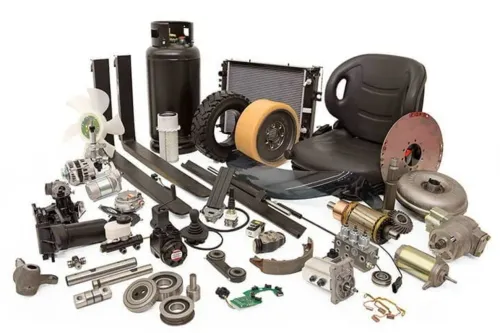
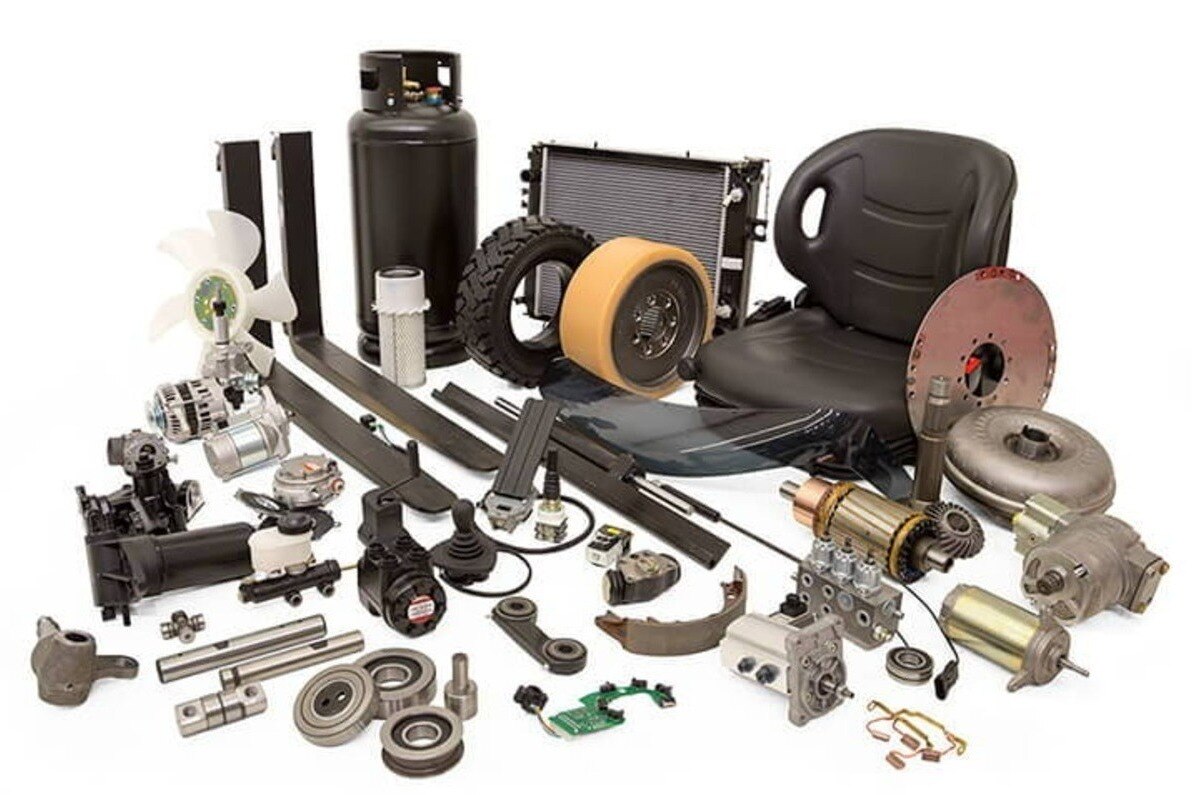
Budget for more than engine oil. Cooling, fuel separation, hydraulics, mast chains, forks, brakes, steering, tyres, starting systems and safety devices determine whether the truck keeps earning its place.
Calculate the forklift’s whole-life cost
The purchase invoice is only the opening number. Calculate five ton diesel forklift value across the hours you expect to operate: add ownership, energy, maintenance, repairs and downtime costs, then subtract the truck’s realistic resale value.
| Cost category | Include | Why it changes value |
|---|---|---|
| Purchase and finance | Price, interest, taxes, delivery, attachments and configuration | A triplex mast, side-shift, cabin or longer forks can cost more than a basic specification. |
| Fuel and labour | Diesel, refuelling time and operator time lost to servicing | High-hour outdoor work rewards quick refuelling; indoor use adds ventilation and emissions constraints. |
| Scheduled diesel forklift maintenance | Oils, filters, cooling-system checks, fuel-water separator, hydraulics, chains, brakes, steering and safety devices | Missed preventive work turns small faults into injector, transmission, cylinder or mast repairs. |
| Wear components | Tyres, rims, forks, lift chains, mast rollers, hoses, batteries and electrical parts | Rough yards, dock plates and debris can make a sound truck uneconomic after a full tyre replacement. |
| Ownership and downtime | Insurance, compliance checks, inspections, breakdown labour and lost production | A cheap truck costs more if parts or technicians keep it out of service. |
| Resale | Expected sale value based on hours, records, condition and configuration | Subtract this amount from lifetime cost; do not assume the advertised capacity guarantees demand. |
Divide the result by productive operating hours for a cost-per-hour comparison. Check the capacity plate before comparing trucks: its load centre, lift height, mast and attachment limits determine usable capacity, not the “five-ton” label. A documented service history also improves resale and exposes overheating, hydraulic or mast wear before purchase.
Price the maintenance plan, not only the repair invoice
A realistic budget for five ton diesel forklift service and repair includes planned maintenance, wear parts and lost operating time—not just the invoice after a breakdown.
Use the truck’s hour-meter forecast and AF50D service manual to price daily checks, the specified periodic services, 500-hour inspections and major-service work; do not assume an interval that the manual does not state.
- Include engine oil and filters, cooling-system inspection, fuel filters and water separator service.
- Budget hydraulic oil and filters, hose and cylinder inspection, transmission checks, mast-roller inspection, chain lubrication and adjustment.
- Price fork measurement, tyre wear and rim damage, brake and steering checks, battery and starting-system tests, lights, horn, alarms and other safety devices.
- Separate parts, technician labour, diagnostic time, travel or call-out charges and emergency rates.
- Add a reserve for injectors, overheating repairs, hydraulic components, brakes, tyres and electrical faults.
- Record rental equipment, overtime and delayed dispatch if this truck serves a loading bay, container area or cross-dock bottleneck.
Diesel forklift maintenance becomes easier to fund when you divide the annual budget by expected operating hours. Add scheduled servicing, a repair reserve and downtime exposure, then compare that hourly cost with replacement rental or finance payments.
Keep a separate tyre allowance: rough yards, dock plates, debris and high axle loads can consume a set even when the engine remains reliable.
Compare a repair with replacement and downtime
Approve the repair only when it removes the root cause, restores measurable performance and leaves enough dependable service life to justify the downtime. A cheap component swap is an uneconomic patch if the same fault returns or another major system is already failing.
| Compare | Reliable restoration | Temporary patch |
|---|---|---|
| Diagnosis | Fault codes, pressure tests, wear measurements and failure cause are documented | Parts are replaced without testing the underlying fault |
| Scope | Includes related seals, hoses, filters, fluids or adjustment work | Fixes only the visible symptom |
| Remaining life | Engine, transmission, hydraulics, mast and frame have acceptable condition | Repeated overheating, hydraulic leakage, mast wear or transmission faults |
| Downtime cost | Repair time is shorter than the expected disruption from breakdowns | Lost loading-bay work, rental, overtime or delayed dispatch exceeds the invoice |
| Evidence | Maintenance records show controlled servicing and declining faults after repair | Records show missed services, recurring failures or falling availability |
Calculate diesel forklift repair costs as parts, technician labour, diagnostic time, travel or call-out fees and lost operating time. Include tyres and damaged rims; a sound engine does not rescue a truck needing repeated tyre replacement on a rough yard.
Compare the repair total plus the next 12 months of planned maintenance, expected repairs and downtime with a replacement’s finance or depreciation, service, tyres, fuel, delivery and operator familiarisation. One large repair is not decisive. Repeated failures, poor availability and an approaching engine, transmission or hydraulic rebuild are stronger reasons to replace.
Make five-ton diesel forklift service and repair conditional on a written scope, test results and a post-repair inspection.
Match service support to the site and duty cycle
A truck that runs three shifts in a dusty yard needs a different decision from one making occasional indoor lifts. Compare the duty cycle, load-centre requirements, gradients, cold-store temperatures, debris and tyre damage with the support available at the site.
| Evidence | Repair remains credible | Replacement becomes stronger |
|---|---|---|
| Operating pattern | Engine, mast and hydraulics remain dependable under the actual hours and loads | Repeated failures follow intensive loading, gradients or rough-yard work |
| Service response | Parts, technician attendance and a loan truck protect dispatch continuity | Delays leave loading bays or cross-dock operations idle |
| Maintenance records | Scheduled inspections, oil changes, brake checks and defect closures are documented | Missing records hide deferred work and make the next failure difficult to predict |
| Tyres and attachments | Correct tyres, sound rims and approved attachments match the surface and load centre | A full tyre set, damaged rims or unsuitable attachments add safety and cost risk |
For forklift service for logistics companies, measure response time alongside the hourly labour rate. Record call-out charges, diagnostic time, parts lead time, after-hours coverage and lost operating hours; downtime can exceed a small invoice when one truck is a bottleneck.
Review diesel forklift maintenance records for recurring hoses, brakes, chains, mast rollers and tyres rather than treating each invoice alone. K. S. Enterprises can help inspect whether the truck’s capacity plate, attachment and site duty match before you approve further work.
Choose repair when documented availability remains high after the work. Choose replacement when diesel forklift repair costs keep recurring, downtime is rising and the annual keeping cost approaches the annualised cost of another truck.
Related products
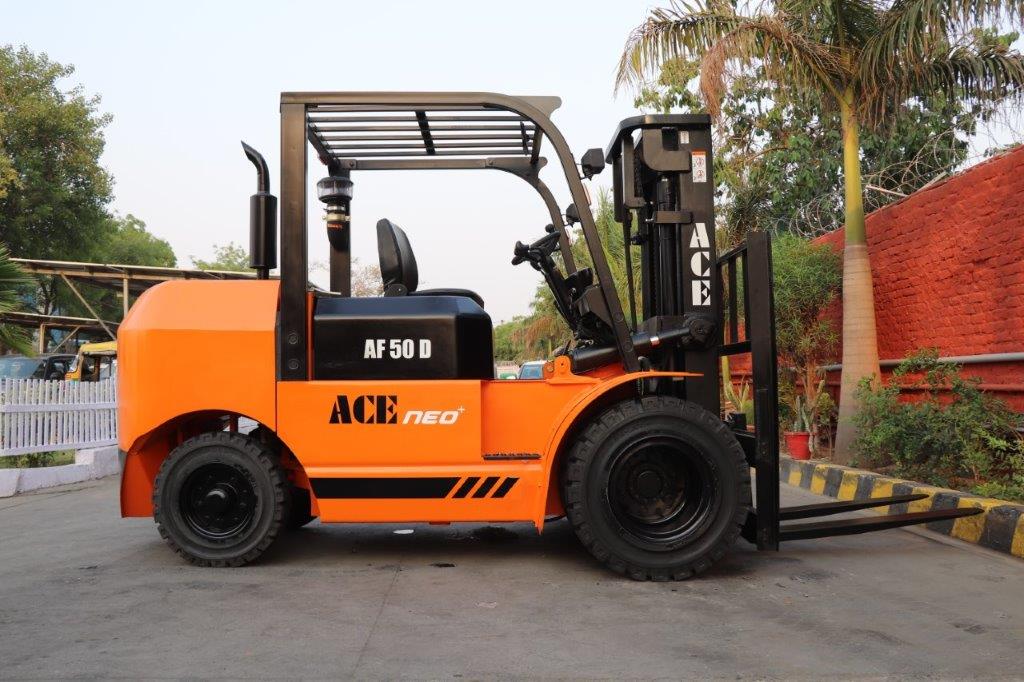 | Forklifts ACE Diesel Forklift Truck - Model AF50D – BS-V Engine TATA Power Steering (Automatic Transmission) Standard Accessories View product → |
 | Forklifts K. S. Enterprises is a trusted supplier of high-performance Diesel Forklifts, providing reliable and efficient material handling solutions for... View product → |
Frequently asked questions
What determines whether a five-ton diesel forklift is worth its service costs?
Compare its workload, operating hours, duty cycle, whole-life cost and downtime against replacement equipment or an alternative handling method.
Which costs belong in a five-ton diesel forklift whole-life cost calculation?
Include purchase or finance cost, fuel, planned diesel forklift maintenance, tyres, parts, repairs, depreciation, operator time and downtime.
Should you repair or replace a five-ton diesel forklift?
Compare the repair invoice with the forklift’s remaining working life, expected future diesel forklift repair costs, replacement cost and downtime during each option.
What should a service plan for a five-ton diesel forklift include?
Price scheduled inspections, engine and transmission servicing, hydraulic checks, brakes, tyres, mast and attachment inspections, parts availability and response time.
What service support do logistics companies need for a five-ton diesel forklift?
Forklift service for logistics companies should match operating hours, traffic intensity, loading surfaces, dust, shift patterns, attachments and the cost of equipment downtime.