
Finding a forklift dealer is easy; determining whether the dealer can support your actual operating requirement takes more evaluation. Businesses purchasing forklifts should look beyond machine availability and examine application knowledge, equipment configuration, service support, spare parts, and long-term operating requirements.
Start with the quotation. A useful quotation should correspond to a clearly defined application. If two forklifts have different capacities, mast configurations, batteries, tyres, or attachments, comparing only the final price can produce a misleading conclusion.
Before approaching a dealer, prepare basic operating data:
Maximum load weight and dimensions.
Required lifting height.
Minimum aisle width.
Indoor or outdoor operation.
Daily and weekly operating hours.
Floor or yard conditions.
Number of shifts.
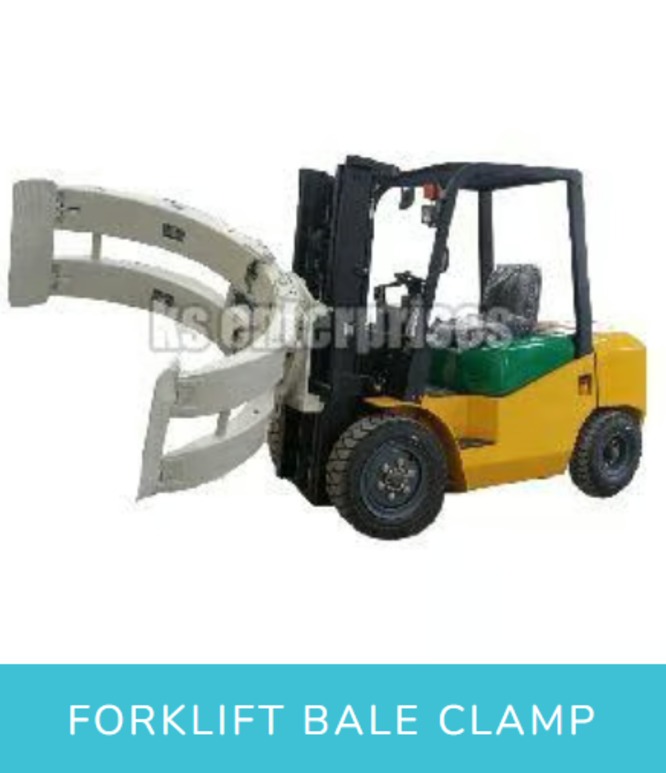
Special attachment requirements.
For electric equipment, ask how the battery and charger correspond to the expected duty cycle. Battery planning is particularly important where forklifts operate for extended periods or across multiple shifts.
For diesel equipment, evaluate whether the machine is being selected for an application where its characteristics are actually useful. Outdoor working conditions, operating intensity, load demands, and site layout should guide the decision.
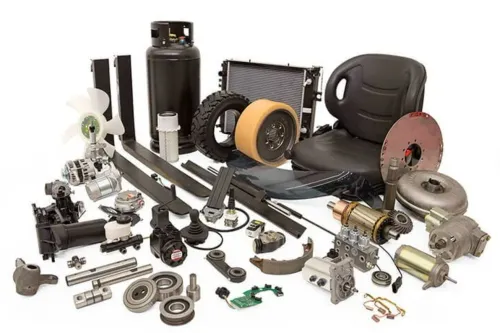
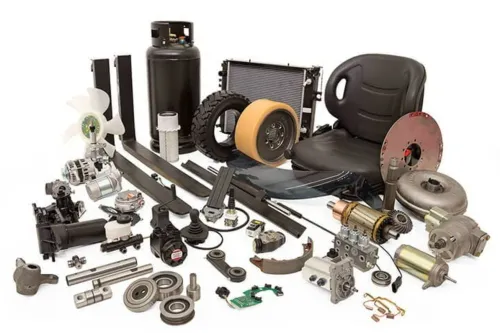
After-sales readiness deserves equal attention. Forklifts are working machines with components that experience wear. Tyres, batteries, hydraulic parts, electrical components, brakes, and other systems may require inspection, maintenance, or eventual replacement.
Ask the dealer how spare parts and servicing are handled. Knowing the support process before buying is preferable to discovering it after equipment downtime occurs.
Delhi's industrial and warehousing environment adds local considerations. Congested sites may require careful machine sizing, while dusty outdoor operations may have different maintenance needs from clean indoor warehouses.
K. S. Enterprises serves the Delhi market in forklifts and material handling equipment, providing a local option for businesses comparing equipment and support requirements.
Before finalizing a purchase, it can be useful to evaluate the proposed machine against your site rather than simply against another quotation. Check whether its dimensions suit the aisles, its lift height matches the racks, its capacity is appropriate for the load, and its power system suits the duty cycle.
A dependable dealer relationship is most valuable after the forklift starts working. Selecting a provider based on application suitability and support readiness can therefore be more meaningful than choosing solely on the lowest initial equipment price.