
Selecting the right material handling equipment can directly affect warehouse productivity, safety, space utilization, and operating costs. A machine that performs well in an open loading yard may not be suitable for narrow warehouse aisles, while equipment designed for occasional pallet movement may struggle in a high-throughput distribution facility.
Before selecting equipment, start with the material itself. Consider pallet dimensions, average and maximum load weight, lifting height, travel distance, and how frequently goods need to be moved. These factors help determine whether the operation needs a forklift, electric stacker, pallet truck, or a combination of machines.
Warehouse layout is equally important. Facilities in Delhi often operate in industrial areas where floor space must be used efficiently. Narrow aisles, storage racks, loading bays, uneven surfaces, and restricted turning areas can influence equipment selection.
Common options include:
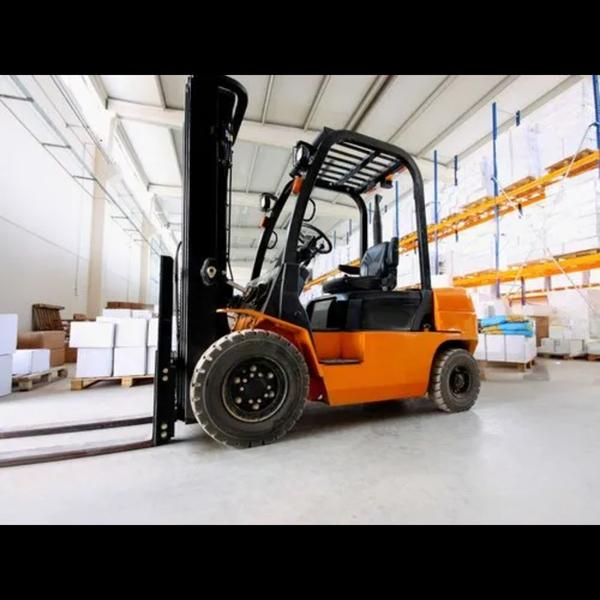
- Forklifts: Suitable for lifting, stacking, loading, and transporting heavier palletized goods.
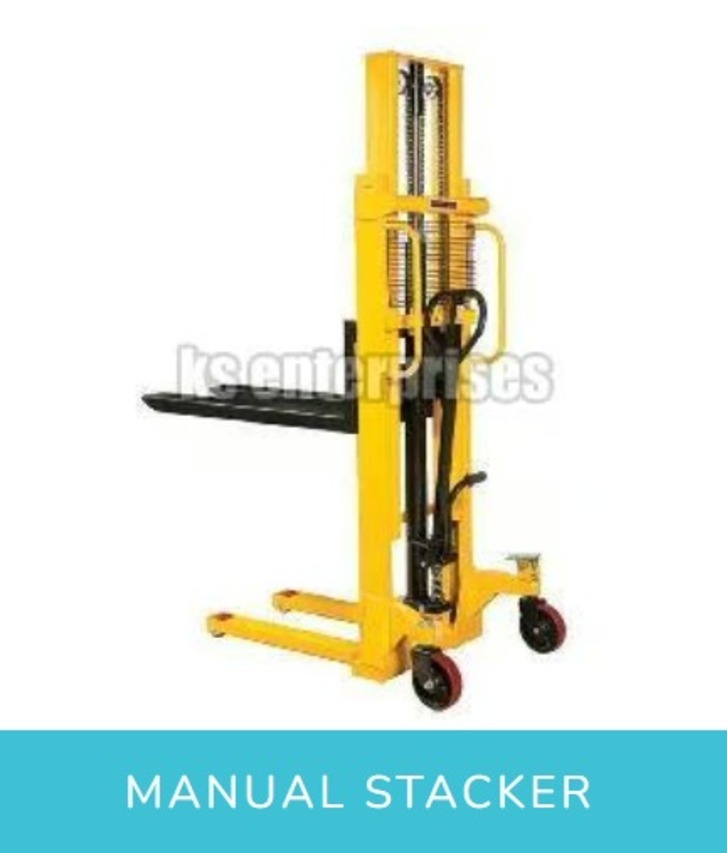
- Electric stackers: Useful for stacking pallets in warehouses where compact movement is important.
- Hand pallet trucks: Practical for short-distance horizontal pallet movement.
- Electric pallet trucks: Helpful when pallet movement is frequent or travel distances are longer.
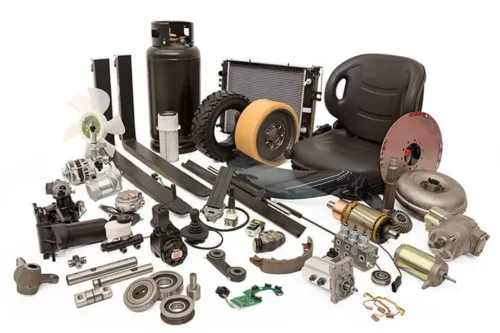
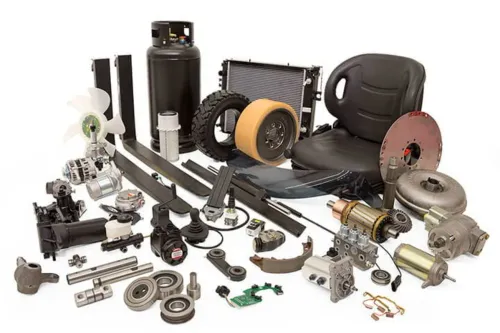
- Forklift attachments: Used when standard forks are insufficient for handling particular materials or load shapes.
Power source also deserves attention. Electric equipment can be useful for indoor applications because it operates without diesel exhaust at the point of use and generally produces less operational noise. Diesel-powered machines remain relevant for demanding outdoor operations, yards, construction-related applications, and situations involving longer operating cycles.
Buyers should also assess floor conditions. Smooth industrial floors allow many electric machines to work efficiently, whereas uneven yards may require equipment with appropriate ground clearance and tyres.
Another consideration is the total operating environment. A warehouse handling packaged consumer goods has different requirements from a metal fabrication facility, logistics hub, manufacturing plant, or building-material operation. Selecting equipment purely on rated capacity without considering the actual application can lead to unnecessary costs and inefficient handling.
For businesses evaluating equipment in Delhi, K. S. Enterprises can be considered when assessing material movement requirements across warehousing and industrial applications. The useful starting point is not simply asking which machine has the highest capacity, but determining which machine matches the load, layout, lifting height, operating hours, and movement pattern.
Well-selected equipment creates a smoother material flow from receiving to storage and dispatch. Understanding the application first helps businesses avoid both underpowered equipment and unnecessary investment in capacity they may never use.