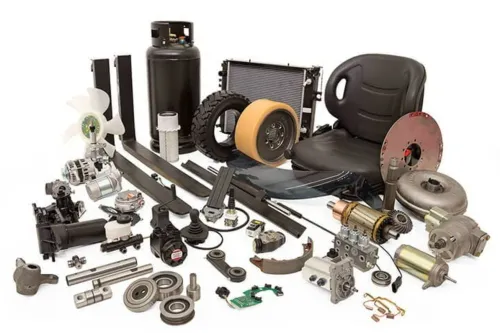

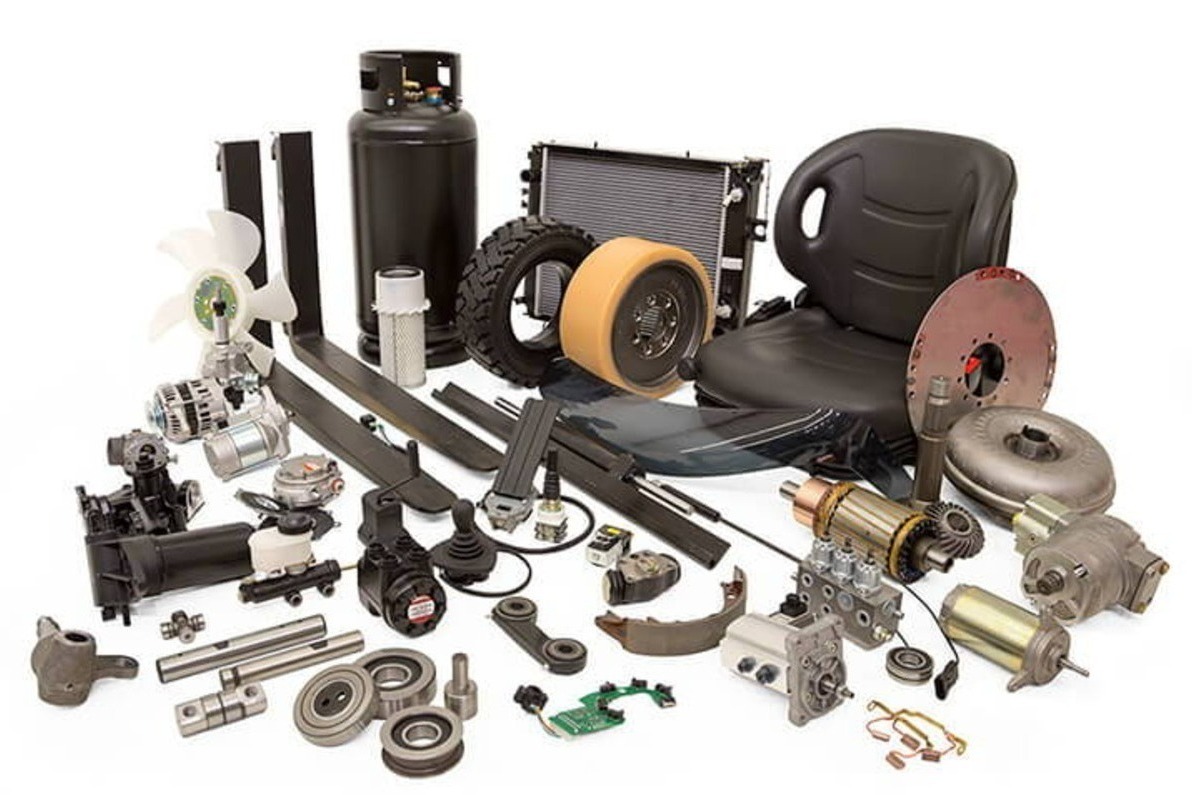
A forklift can only support productivity when it remains available for work. Wear, operating conditions, working hours, and maintenance practices eventually affect components, making access to appropriate forklift spare parts an important consideration for warehouses and industrial facilities.
Not every component needs to be stored on-site. The objective is to understand which parts are routinely inspected or replaced and which critical items need a clear sourcing plan.
Begin with the machine's operating intensity. A forklift used occasionally will have a different maintenance pattern from one working across long shifts in a busy dispatch facility.
Tyres are among the most visible wear components. Their condition can influence ride quality, stability, and material movement. Wear patterns should be inspected rather than waiting for tyres to become severely damaged.
Hydraulic systems also deserve regular attention. Hoses, seals, cylinders, and associated components operate under demanding conditions during lifting and lowering. Leaks or abnormal operation should be investigated promptly.
For electric forklifts, battery-related components become particularly important. Operators should follow the applicable charging and battery-care procedures and watch for changes in runtime or charging performance.
A practical parts and maintenance checklist can include:
Forks and fork-locking components.
Tyres and wheels.
Hydraulic hoses and seals.
Filters where applicable.
Brake-related components.
Electrical connectors and switches.
Lights and warning devices.
Battery connectors and cables for electric machines.
Mast and carriage wear items.
Manufacturer-specified service components.
The exact list depends on forklift type and model, so maintenance should follow the relevant equipment requirements rather than a generic replacement schedule.
Operating conditions in Delhi can also affect maintenance planning. Dust, high seasonal temperatures, outdoor working areas, uneven surfaces, and intensive loading activity may place additional demands on particular components.
K. S. Enterprises supports forklift-related requirements for businesses in Delhi, including customers assessing parts and maintenance needs for material handling equipment. Keeping accurate machine details makes parts identification easier.
Record the forklift make, model, serial information, capacity, and component specifications. When requesting a spare part, this information can reduce confusion between visually similar but technically different components.
Preventive maintenance is not simply about replacing parts more frequently. It is about inspecting equipment systematically, identifying wear early, and replacing the correct component at the appropriate time.
Businesses that treat spare-parts planning as part of forklift ownership can respond more effectively to routine wear and maintenance requirements instead of beginning the sourcing process only after an essential machine becomes unavailable.