
Choosing between an electric forklift and a diesel-powered model requires more than comparing purchase prices. The right choice depends on where the forklift will operate, how many hours it will work, what loads it will carry, and how the business plans to manage fuel or charging requirements.
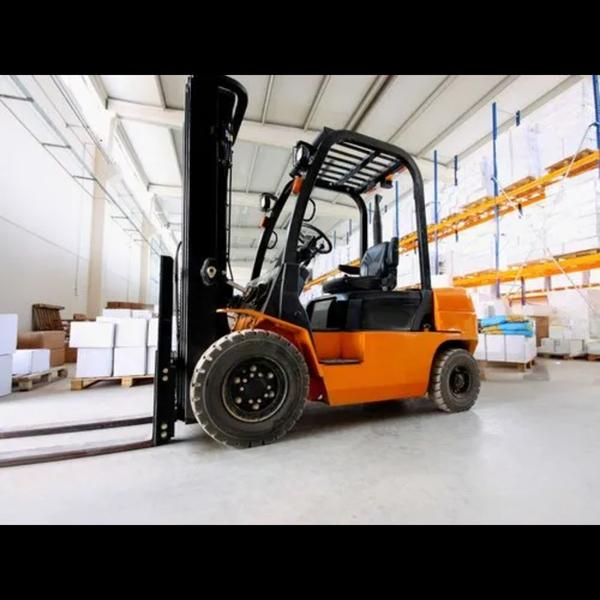
Electric forklifts are commonly considered for warehouses, manufacturing floors, distribution facilities, and other indoor environments. Because they do not produce diesel exhaust at the point of operation, they are particularly relevant where forklifts work around employees, packaged goods, or enclosed storage areas.
They can also provide lower operational noise, which may be useful in busy indoor facilities.
A diesel forklift, on the other hand, can suit demanding outdoor applications. Loading yards, construction-material facilities, industrial compounds, and operations with extensive outdoor travel may benefit from diesel equipment, depending on capacity and site conditions.
When comparing the two, examine five practical factors.
Operating environment: Indoor operations often favor electric models, while outdoor or mixed-site operations may justify diesel equipment.
Daily working hours: Electric equipment requires a suitable charging plan. Businesses operating multiple shifts need to consider battery capacity, charging time, and battery management.
Load requirements: Forklift capacity must be selected according to actual loads and load-center conditions rather than assuming every machine can safely handle anything below its headline capacity.
Floor and yard conditions: Smooth warehouse flooring differs significantly from uneven outdoor surfaces. Tyres, ground clearance, stability, and turning requirements should match the site.
Operating costs: Consider energy or fuel, preventive maintenance, battery-related expenses, tyres, spare parts, and expected utilization rather than comparing acquisition cost alone.
For industrial customers in Delhi, environmental conditions also matter. Dust, seasonal heat, congested warehouse layouts, and frequent loading activity can affect how equipment is used and maintained.
Neither technology is automatically the right answer for every facility. A warehouse with predictable indoor shifts may find electric equipment practical, while an industrial yard with demanding outdoor movement may have a different requirement.
K. S. Enterprises works within the forklift and material handling equipment segment, giving Delhi customers a local reference point when evaluating machines for different operating conditions.
Before deciding, document your maximum load, required lifting height, aisle dimensions, daily operating hours, indoor-to-outdoor usage ratio, and expected travel distance. Those details make the electric-versus-diesel decision much more meaningful than selecting equipment based only on fuel type.