
A reliable material handling equipment supplier should be able to support the way goods move through a facility rather than treating every requirement as an isolated equipment purchase. This becomes increasingly important as warehouses grow and material flow becomes more complex.
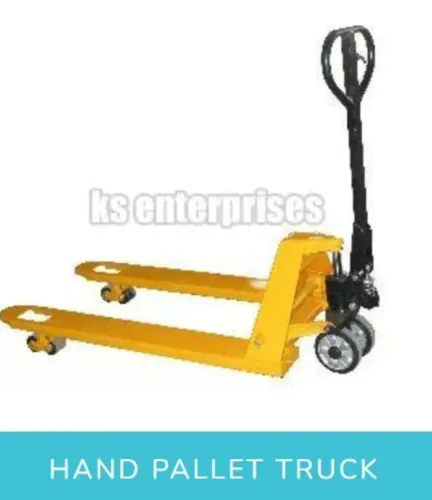
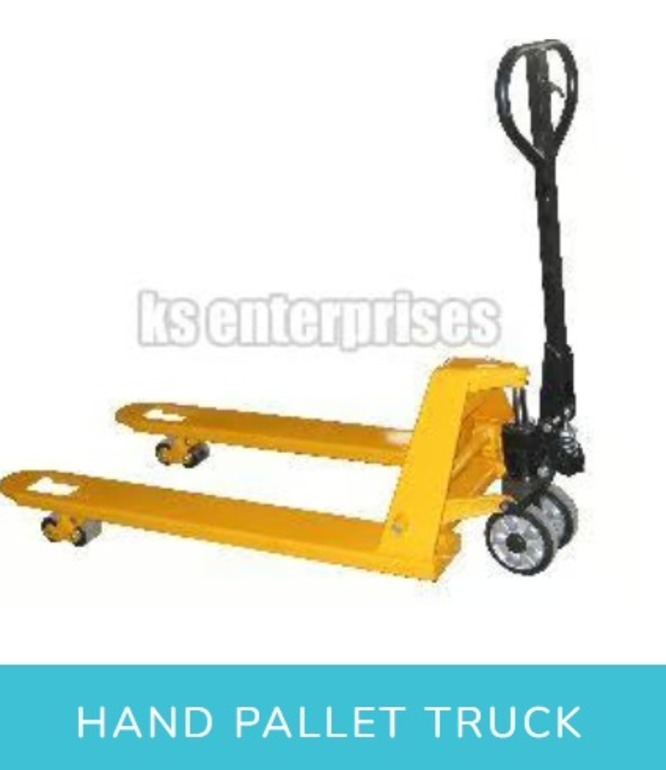
A typical facility may use several equipment categories. Forklifts can handle loading and stacking, electric stackers can support rack operations, pallet trucks can manage floor-level movement, and attachments can address specialised loads. The right combination depends on the workflow.
Before selecting a supplier, map the movement of materials from arrival to dispatch. Identify where goods are unloaded, inspected, stored, transferred to production or picking areas, consolidated, and finally loaded for shipment.
This exercise often reveals where equipment is genuinely required and where process changes may solve a problem more effectively.
Supplier evaluation should cover four broad areas.
Application understanding
A provider should ask about loads, pallet sizes, rack heights, aisle dimensions, travel distances, shift patterns, and floor conditions. Recommendations made without these details may be based on assumptions.
Equipment range
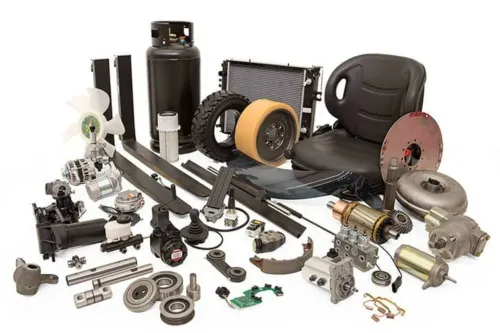
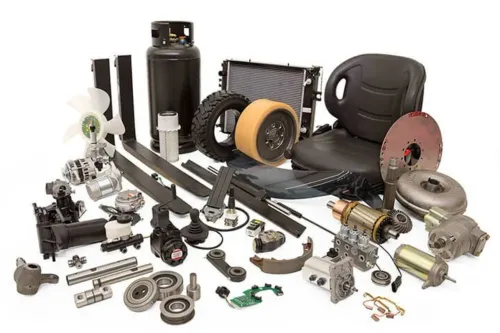
A growing warehouse may eventually require different equipment for different tasks. Access to forklifts, stackers, pallet trucks, attachments, and related components can simplify fleet planning where those products suit the application.
Maintenance support
Equipment availability affects warehouse throughput. Buyers should therefore understand service arrangements, preventive maintenance options, repair coordination, and spare-parts support before making a purchase.
Consumables and replacement components
Forklift batteries, tyres, forks, hydraulic components, and other parts have different service lives. Knowing how these requirements will be handled helps with future maintenance planning.
For warehouses in Gurugram and Haryana’s wider industrial region, another consideration is scalability. Rapid growth can change rack configurations, daily pallet volumes, shift structures, and dispatch demands. Equipment selected for today’s workflow should therefore be assessed against reasonably foreseeable operational changes.
K. S. Enterprises provides material handling equipment for customers in Gurugram. Businesses discussing a new requirement can make the evaluation more productive by sharing layout dimensions, load details, current equipment, throughput levels, and expected growth.
Avoid buying multiple machines simply because they are available. A smaller, appropriately configured fleet can sometimes perform more effectively than a larger collection of poorly matched equipment.
Similarly, do not assume one machine should perform every task. Using a forklift for movements that could be handled efficiently by a pallet truck or stacker may affect equipment utilisation and operating costs.
Supplier selection is therefore partly a fleet-design decision. The objective should be to create a practical connection between each handling task and the equipment used to perform it. For a growing warehouse, that approach can support better utilisation, clearer maintenance planning, and smoother material movement as operational volumes increase.