

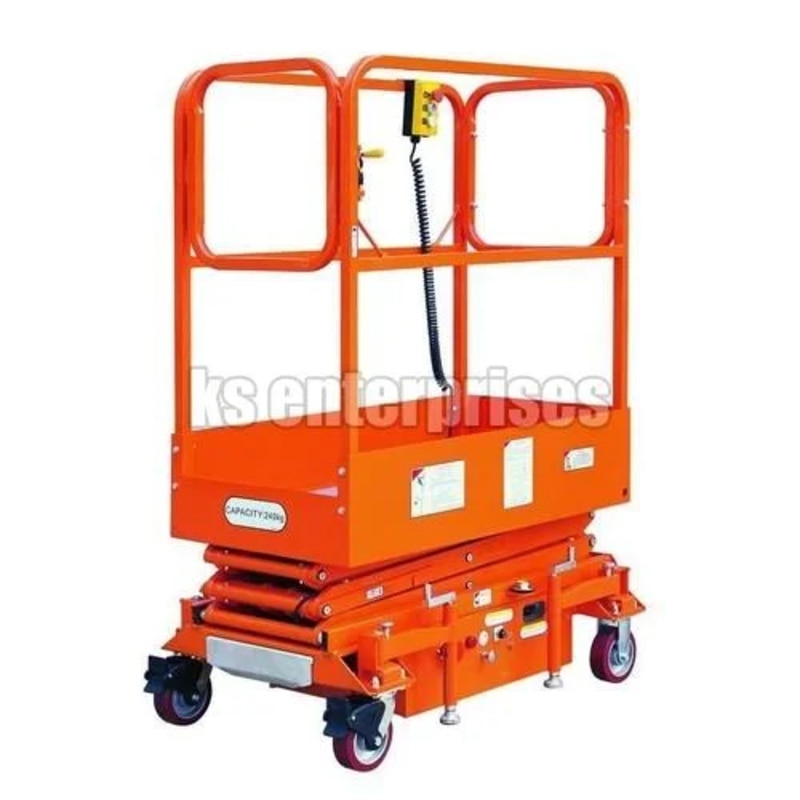
Aerial Work Platform – Safe and Efficient Elevated Access Solutions@LOCATION
An Aerial Work Platform (AWP) is a specialized lifting equipment designed to safely raise workers, tools, and materials to elevated work areas. Widely used across construction, warehousing, maintenance, telecommunications, and industrial sectors, aerial work platforms provide a secure and efficient alternative to ladders and scaffolding. These machines are engineered to improve productivity while ensuring maximum safety for operators working at heights.
Modern aerial work platforms are available in various configurations, including scissor lifts, boom lifts, articulated lifts, and vertical mast lifts. They offer excellent maneuverability, stable platforms, and advanced safety features, making them ideal for indoor and outdoor applications.
Businesses rely on aerial work platforms to complete maintenance, installation, inspection, and repair tasks quickly and efficiently. Whether working in factories, shopping malls, airports, warehouses, or construction sites, an aerial work platform helps reduce downtime and improve operational efficiency.
Where Can Aerial Work Platforms Be Used?
Aerial work platforms are suitable for various industries and applications, including:
Building construction and renovation projects
Warehouse inventory management
Industrial plant maintenance
Electrical installation and repair work
Telecommunications tower maintenance
Airport and railway station maintenance
Shopping mall and commercial building upkeep
Facility management services
Signboard installation and cleaning
Event setup and stage maintenance
Benefits of Using an Aerial Work Platform
Enhanced Safety
Aerial work platforms provide a secure working platform with guardrails, emergency controls, and stability systems, reducing the risk of falls.
Increased Productivity
Workers can access elevated areas quickly, completing tasks faster than traditional ladders or scaffolding.
Cost-Effective Solution
Reduced setup time and improved efficiency help lower labor and operational costs.
Easy Maneuverability
Modern aerial work platforms can navigate narrow aisles and confined spaces with ease.
Versatile Applications
Suitable for both indoor and outdoor environments across multiple industries.
Reduced Worker Fatigue
Stable working platforms allow operators to perform tasks comfortably for longer periods.
Environment-Friendly Options
Electric-powered aerial work platforms produce low noise and zero emissions, making them ideal for indoor use.
Why Choose an Aerial Work Platform?
Investing in an aerial work platform ensures safer working conditions, higher efficiency, and reliable access to elevated work areas. With advanced technology, robust construction, and user-friendly controls, aerial work platforms have become essential equipment for businesses that regularly perform work at height.
Frequently Asked Questions (FAQ)
1. What is an aerial work platform?
An aerial work platform is a mechanical lifting device used to provide temporary access to elevated work areas for workers and equipment.
2. What industries commonly use aerial work platforms?
Construction, warehousing, manufacturing, telecommunications, facility management, aviation, and maintenance industries frequently use aerial work platforms.
3. Are aerial work platforms safe?
Yes. They are designed with multiple safety features, including guardrails, emergency stop systems, tilt sensors, and overload protection.
4. What types of aerial work platforms are available?
Common types include scissor lifts, boom lifts, articulated boom lifts, telescopic boom lifts, and vertical mast lifts.
5. Can aerial work platforms be used indoors?
Yes. Electric aerial work platforms are specifically designed for indoor applications due to their low noise and zero-emission operation.
6. How much height can an aerial work platform reach?
Depending on the model, aerial work platforms can reach heights ranging from a few meters to over 40 meters.
7. What are the advantages of aerial work platforms over scaffolding?
They offer faster setup, better mobility, improved safety, and higher productivity compared to traditional scaffolding.
8. How often should aerial work platforms be serviced?
Regular inspections and preventive maintenance should be conducted according to the manufacturer's recommendations and local safety regulations.