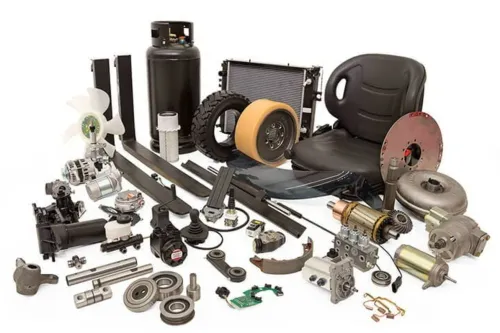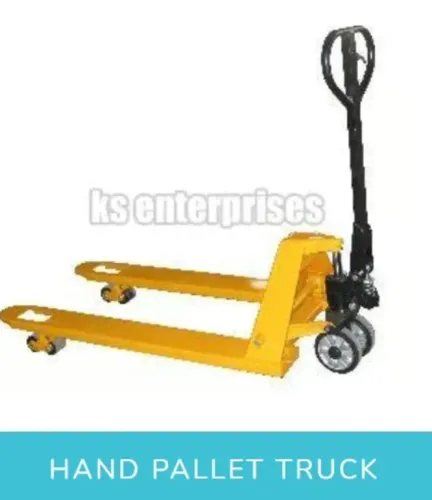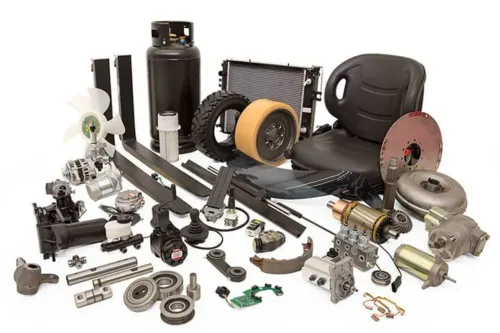

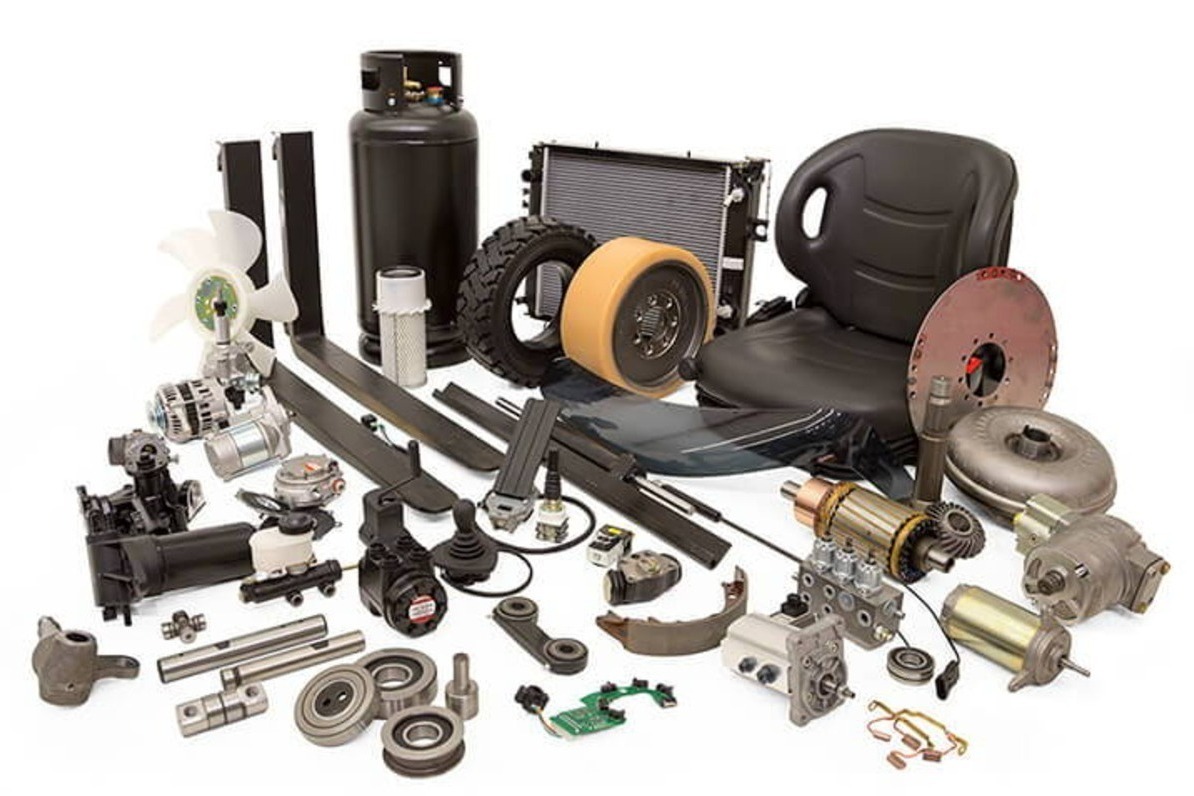
Forklifts often show warning signs before a major failure. Changes in steering, lifting performance, braking, hydraulic behaviour, or unusual noise may indicate developing problems that deserve inspection. Timely forklift service and repair can help businesses address these issues before equipment availability is seriously affected.
For warehouses and manufacturing facilities in Greater Noida, forklift downtime can interrupt truck unloading, production supply, pallet movement, and dispatch schedules. Recognizing early symptoms is therefore an important part of equipment management.
Unusual Hydraulic Behaviour
A mast that lifts slowly, lowers inconsistently, or behaves differently under load may require attention.
Hydraulic leaks are another visible warning sign. Fluid around hoses, cylinders, fittings, or underneath the machine should not simply be ignored.
Hydraulic performance affects lifting functions, making proper diagnosis important.
Changes in Steering
Forklift steering should feel predictable. Increased steering effort, unusual play, vibration, or inconsistent response can indicate wear or a developing mechanical or hydraulic issue.
Because forklifts regularly manoeuvre around racks, goods, vehicles, and people, steering problems deserve prompt investigation.
Braking Performance Has Changed
If stopping distance appears longer or brake response feels different, the machine should be inspected.
Operators are often the first people to notice subtle changes, which makes daily reporting valuable.
Tyres Show Excessive Wear or Damage
Forklift tyres directly influence stability, traction, operator comfort, and machine behaviour.
Look for significant wear, chunking, cuts, flat spots, or other damage appropriate to the tyre type. Tyres should be replaced according to their condition and applicable service criteria rather than being used indefinitely.
Recurring Electrical or Starting Problems
Electric forklifts may experience battery, connector, charger, wiring, or control-related problems. Diesel equipment can develop starting, fuel-system, electrical, or engine-related faults.
Repeatedly resetting or restarting equipment without identifying the cause can allow a manageable issue to become a larger problem.
Preventive Maintenance Is More Predictable Than Emergency Repair
Maintenance schedules should consider operating hours, equipment type, manufacturer recommendations, and working environment. Machines operating in dusty, intensive, or demanding industrial conditions may need particularly careful inspection.
K. S. Enterprises supports forklift requirements in Greater Noida, including equipment-related service considerations for industrial and warehouse users. Businesses evaluating a service provider should ask about fault diagnosis, parts availability, preventive maintenance, and support for their particular forklift type.
Operators should also have a simple process for reporting abnormal sounds, leaks, warning indicators, reduced lifting performance, or handling changes.
Forklift service and repair should not begin only after a machine becomes unusable. Routine inspection combined with early attention to warning signs can support equipment reliability, make maintenance more manageable, and reduce the operational disruption associated with unexpected failures.