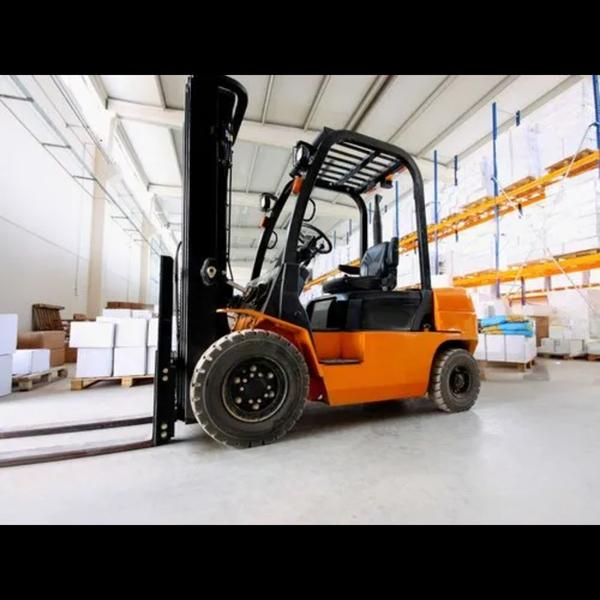

An electric forklift is increasingly considered for material movement where businesses require controlled indoor operation, frequent pallet handling, and an alternative to conventional fuel-powered equipment. However, choosing electric equipment should be based on the application rather than assuming that one forklift type works equally well everywhere.
Electric forklifts operate using rechargeable traction batteries. Since there is no engine combustion during operation, they are particularly relevant to enclosed warehouses, manufacturing floors, storage facilities, and distribution environments where exhaust emissions from the forklift need to be avoided.
One of their most common applications is pallet movement between receiving, storage, production, and dispatch areas. They may also be used for vehicle loading, rack replenishment, production-line feeding, and finished-goods handling, depending on forklift specifications and site conditions.
Several characteristics make electric forklifts worth evaluating for indoor facilities:
- Controlled operation in enclosed environments
- Lower operational noise than many engine-powered alternatives
- No tailpipe exhaust during forklift operation
- Suitability for repetitive warehouse movements
- Fewer engine-related maintenance components
- Compatibility with organised charging schedules
Battery planning is an essential part of the decision. The appropriate battery capacity depends on operating hours, load demands, travel distance, lifting frequency, and charging opportunities. A facility running multiple shifts may require a different battery strategy from a warehouse using a forklift intermittently during the day.
Charging infrastructure also needs planning. The designated charging area should suit the battery and charger specifications, electrical requirements, operational schedule, and applicable safety practices. Charging time should be considered alongside shift patterns so that equipment availability matches material movement requirements.
Businesses in Gurugram, Haryana, should also assess local working conditions. Modern warehouses may have smooth floors and organised aisles, while older industrial facilities can have uneven surfaces, ramps, tight turning areas, or mixed indoor-outdoor movement. These conditions influence tyre selection, capacity, mast configuration, and forklift dimensions.
Electric equipment is not automatically the right choice for every operation. Heavy outdoor duty, difficult terrain, long continuous shifts, or applications without suitable charging arrangements may justify evaluating other options.
K. S. Enterprises supplies material handling solutions for industrial customers in Gurugram. A proper equipment discussion should therefore cover load weight, lift height, shift duration, aisle width, floor conditions, and charging feasibility before a particular model is selected.
For warehouse managers, the key question is not whether electric technology is newer or cleaner in isolation. The more useful question is whether an electric forklift can perform the required material movement reliably within the facility’s actual workflow, infrastructure, and operating schedule.